


Permitted Development for House Extensions: Rear Extensions, Loft Conversions & Garden Rooms

When extending your home in England, understanding permitted development rights can save both time and money by allowing you to bypass the full planning permission process. These rights enable homeowners to make specific alterations to their properties within defined parameters, provided the work meets precise technical criteria. The regulations cover three primary extension types: rear extensions, loft conversions, and garden rooms, each governed by distinct dimensional and positional requirements.
Permitted development rights represent a balanced approach to residential improvement, offering flexibility while protecting neighborhood character. The system recognizes that homeowners need space to adapt their properties to changing needs, while ensuring extensions remain proportionate and considerate of surrounding properties.
Understanding Rear Extensions
Rear extensions form the most common type of permitted development, offering homeowners the opportunity to extend their living space into rear gardens without requiring full planning consent. The regulations distinguish between single-storey and two-storey extensions, each with specific dimensional constraints.
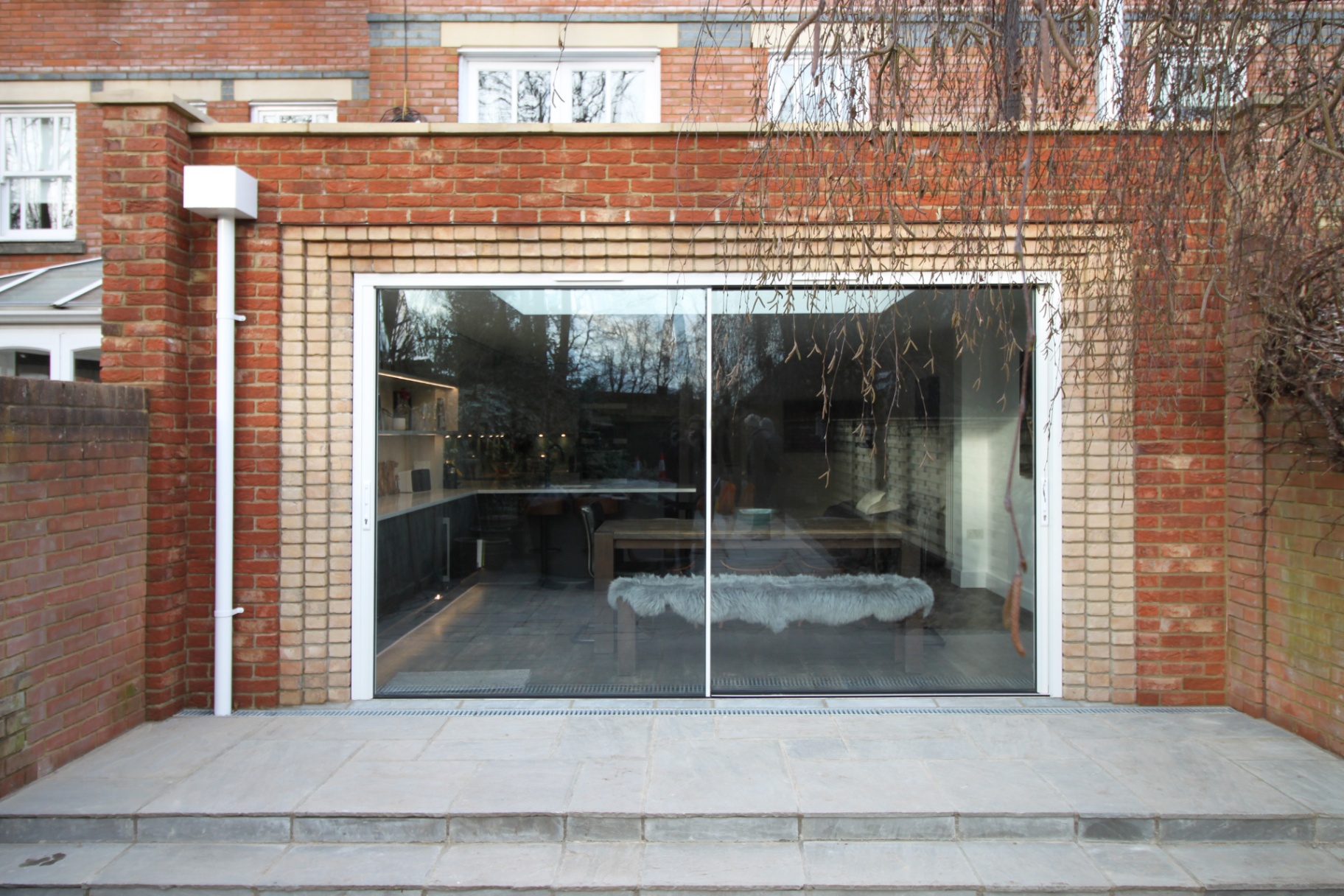
Single-Storey Rear Extensions
For single-storey rear extensions, the permitted development limits depend fundamentally on your property type. Terraced and semi-detached houses can extend up to 3 meters from the original rear wall, while detached houses enjoy greater flexibility with extensions up to 4 meters. These measurements are taken from the rear wall of the original dwelling, not including any existing extensions.
Height restrictions apply systematically across all single-storey extensions. The maximum height reaches 4 meters for dual-pitched roof structures, with eaves not exceeding 3 meters. Flat-roof extensions face a stricter limit of 3 meters maximum height across the entire structure. When extensions are positioned within 2 meters of any property boundary, the eaves height cannot exceed 3 meters, ensuring neighboring properties retain adequate light and privacy.
The regulations also provide for larger rear extensions through a neighbor consultation scheme. Under this prior approval process, terraced and semi-detached houses can extend up to 6 meters, while detached houses can reach 8 meters from the original rear wall. This process requires formal consultation with adjoining neighbors, who have 21 days to comment on the proposed development.
Two-Storey Extensions
Two-storey rear extensions operate under more restrictive parameters, reflecting their greater visual impact. These extensions can extend up to 3 meters from the original rear wall and must be positioned at least 7 meters from the rear boundary of the property. The roof design must complement the existing dwelling, typically requiring the new roof pitch to match the original structure.
The requirement for consistency in roof form ensures two-storey extensions integrate harmoniously with existing architecture. This regulation prevents awkward architectural additions that might compromise the dwelling's overall composition or neighborhood streetscape.
Loft Conversions: Maximizing Vertical Space
Loft conversions present an efficient method for expanding living space within existing building envelopes. The permitted development framework recognizes this efficiency by offering generous volume allowances while maintaining controls over external appearance.
Volume Allowances and Restrictions
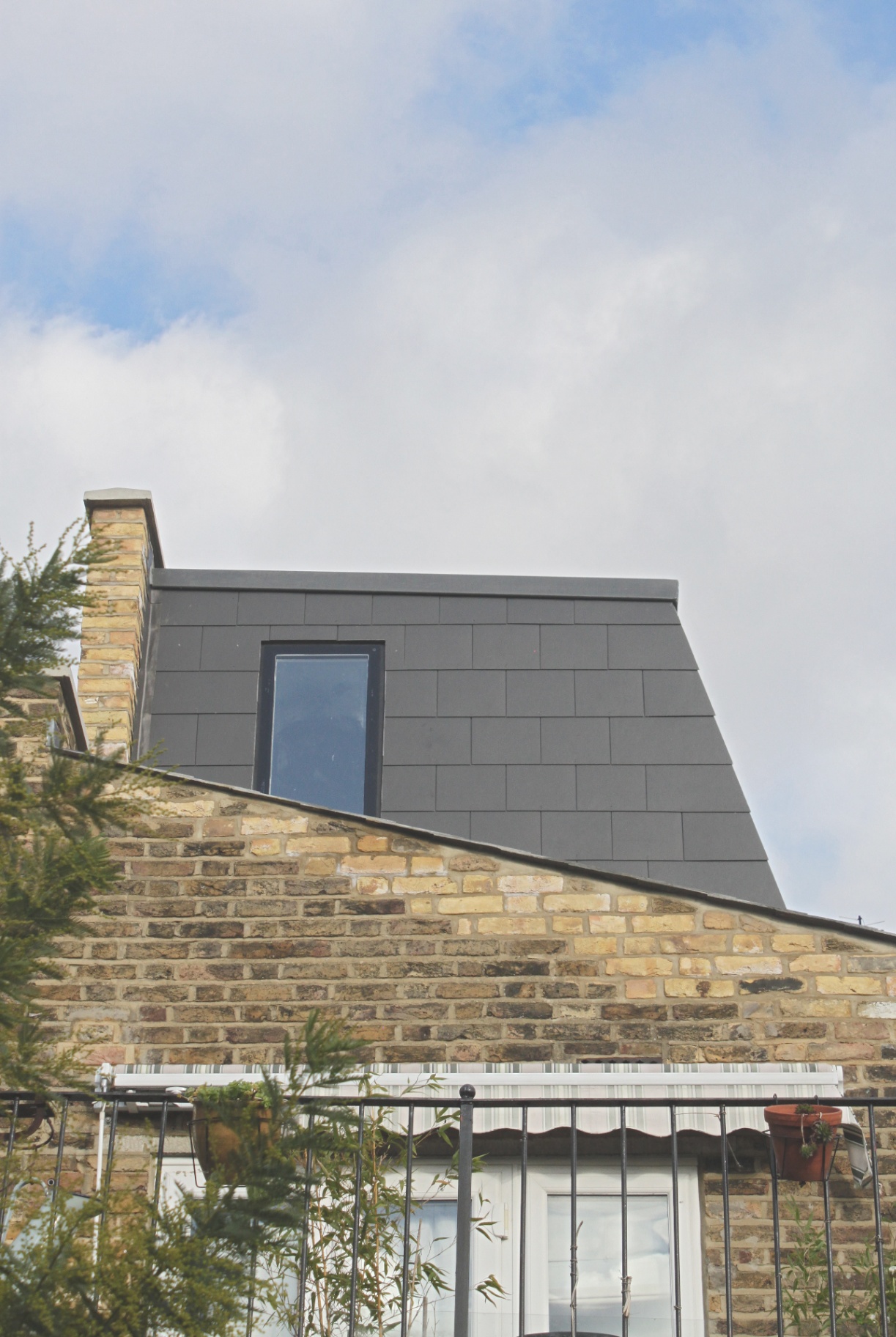
The regulations permit volume additions of up to 40 cubic meters for terraced houses and 50 cubic meters for semi-detached or detached properties. These calculations include all new internal floor space, storage areas, and any external projections such as dormers or roof extensions.
Loft extensions that work entirely within existing roof spaces typically require no planning permission, making rooflight installations particularly advantageous. This approach maintains the external envelope while maximizing internal spatial potential. The regulations recognize that such conversions have minimal impact on neighborhood character while providing substantial internal benefits.
Permitted development for loft conversions often provides greater design freedom than full planning applications. Local authorities cannot impose restrictions on dormer width, form, or detailed design provided the volume increase remains within statutory limits. This flexibility allows architects and homeowners to develop creative solutions that maximize space efficiency while respecting overall volumetric constraints.
Specific Limitations
Certain loft conversion elements require careful consideration. Street-facing conversions, side windows that overlook neighboring properties, and work that might impact protected wildlife species such as bats may require full planning permission. These exceptions ensure that permitted development rights do not compromise privacy, neighborhood amenity, or ecological protection.
The regulations also consider the cumulative impact of multiple roof alterations. If previous loft conversions or roof extensions have already used permitted development rights, any new work must account for this existing development when calculating available volume allowances.
Garden Rooms and Outbuildings
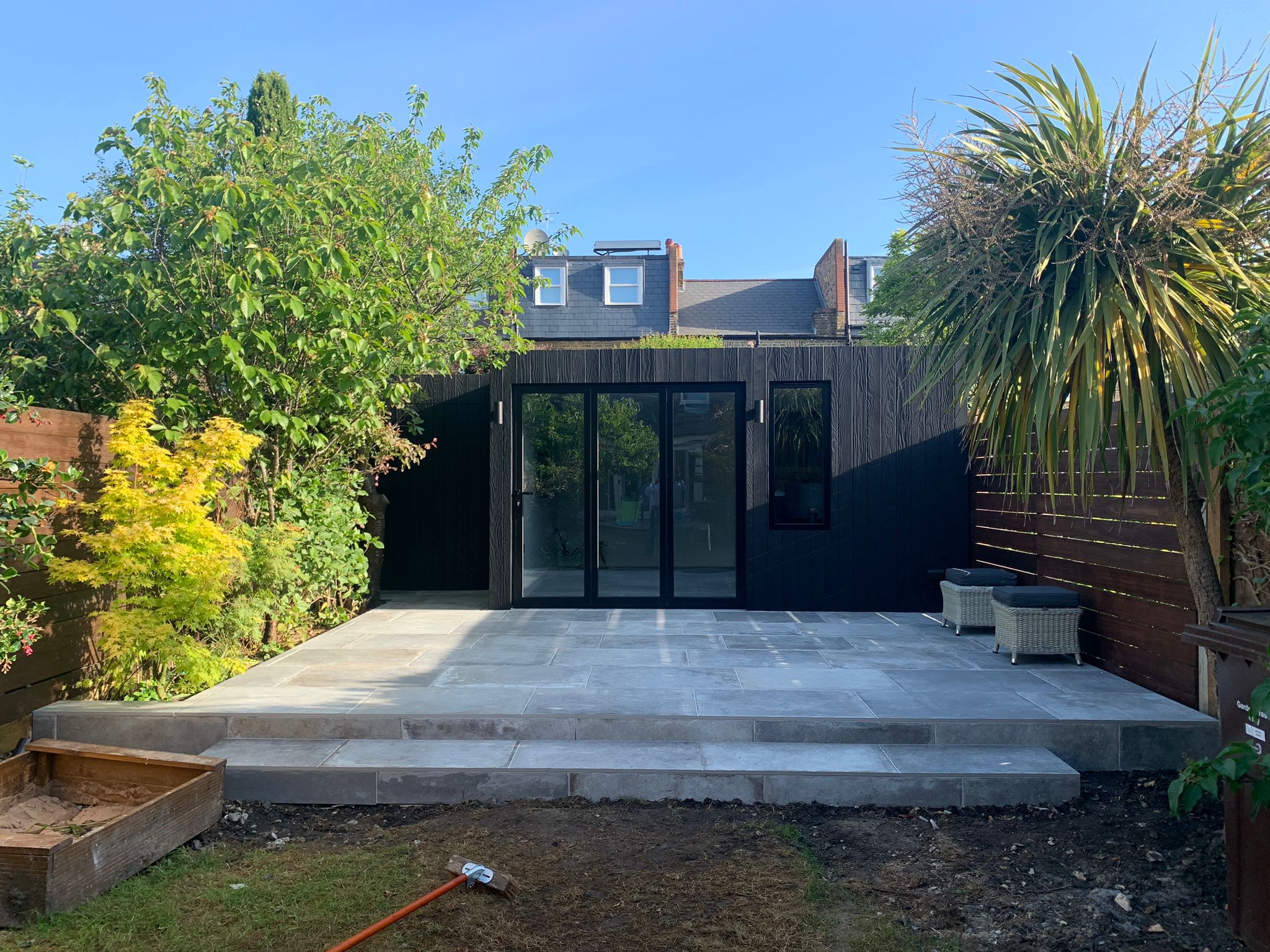
Garden rooms, home offices, workshops, and similar outbuildings represent increasingly popular extensions to domestic accommodation. The permitted development framework accommodates these structures while ensuring they remain subsidiary to the main dwelling.
Design and Positional Requirements
All outbuildings must be single-storey structures serving incidental purposes to the main dwelling. They cannot function as separate, self-contained living spaces or independent dwellings. This requirement ensures outbuildings complement rather than compete with principal residential accommodation.
Height restrictions operate on a sliding scale based on proximity to boundaries. Structures within 2 meters of any boundary face a maximum height of 2.5 meters, while those positioned further away can reach 4 meters with pitched roof construction. This graduated approach protects neighboring amenity while allowing reasonable building heights for functional outbuildings.
The most significant constraint requires that all outbuildings combined cannot cover more than 50% of the land surrounding the original property. This calculation includes all existing extensions, meaning the available footprint for new outbuildings may be limited by previous development.
Material and Construction Considerations
While permitted development rights do not specify materials, outbuildings should demonstrate appropriate construction quality and weather resistance. The structures must be genuinely ancillary to residential use, excluding commercial activities or independent rental accommodation.
The regulations require outbuildings to be situated on land within the curtilage of the dwelling, preventing development on separate plots or detached garden areas not directly associated with the main residence.
Critical Limitations and Exclusions
Several universal restrictions apply across all permitted development categories, ensuring the rights operate within appropriate bounds. Extensions and outbuildings together must not cover more than half the land around the original property, including gardens and any existing additions.
Side extensions face particular restrictions, limited to single-storey construction not exceeding half the width of the original house and remaining under 4 meters in height. Any extension protruding beyond front elevations facing public roads automatically falls outside permitted development rights.
Property Type Restrictions
These regulations apply exclusively to houses, not flats, maisonettes, converted properties, or dwellings created through permitted development changes of use. Listed buildings, properties in conservation areas, national parks, or other designated areas may have restricted or removed permitted development rights entirely.
Some locations operate under Article 4 Directions, which remove specific permitted development rights to protect local character or amenity. Planning conditions on previous applications may also restrict future development rights.
Practical Implementation
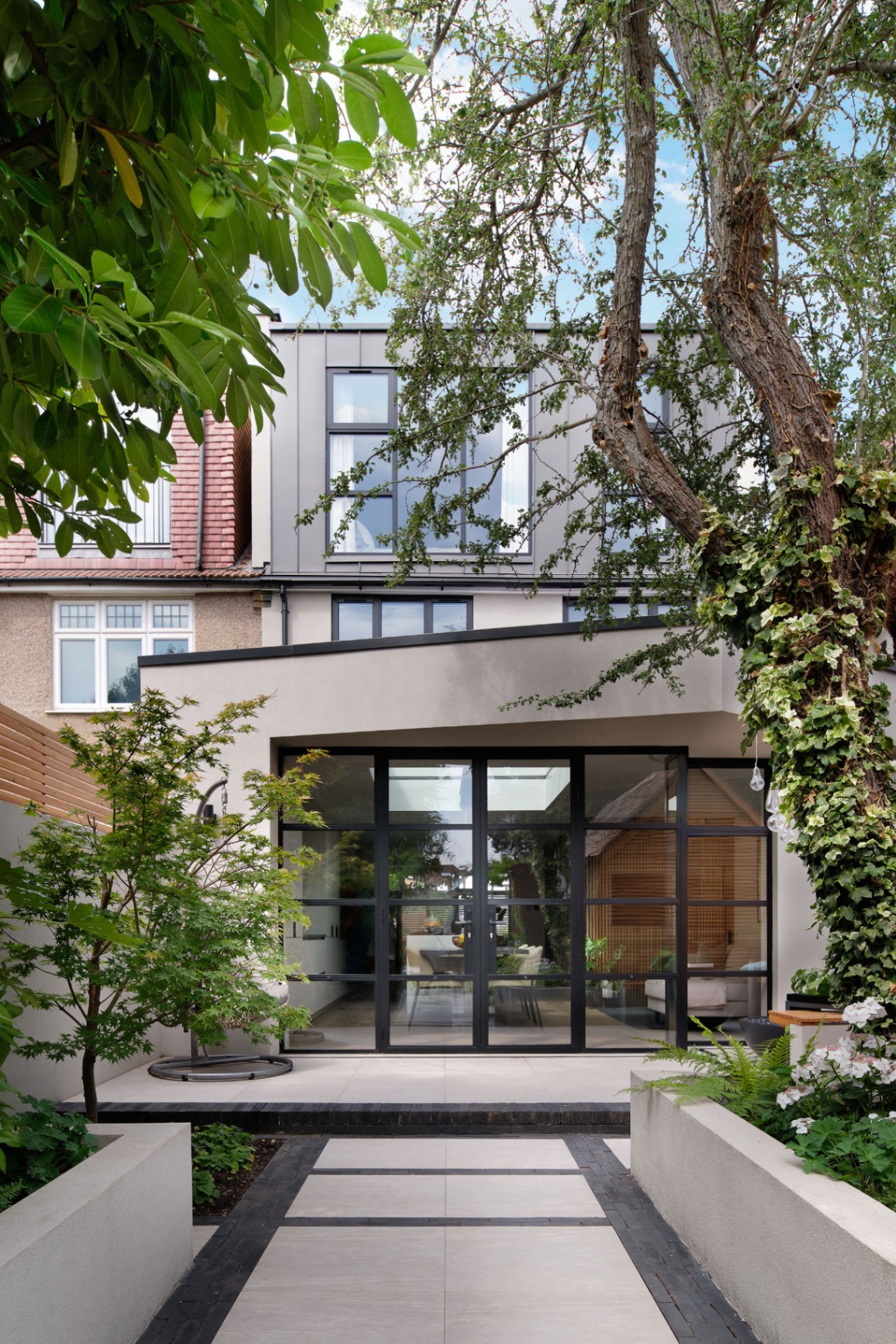
Before beginning any extension work, verify your specific situation with local planning authorities. Regional variations can apply, and obtaining a lawful development certificate provides formal confirmation that proposed work qualifies under permitted development rights.
The certificate process involves submitting detailed drawings and specifications to demonstrate compliance with all relevant regulations. While not mandatory, this certification offers valuable legal protection and can prove essential for future property transactions or mortgage applications.
Consider consulting with architectural professionals familiar with permitted development regulations, particularly for complex projects approaching dimensional limits. Professional guidance can optimize designs within regulatory constraints while ensuring construction quality and long-term performance.
Understanding permitted development rights empowers homeowners to expand and improve their properties efficiently while respecting neighborhood context and maintaining architectural quality. These regulations balance individual flexibility with collective responsibility, enabling thoughtful residential development across England's diverse housing stock.
